

How durable is the LNG Cylinder Manufacturing Machine in terms of wear resistance?
1. Core Component Material Determines Basic Wear Resistance
The wear resistance of the equipment primarily depends on the material selection of its core components. Using high-strength alloys, wear-resistant steel, and other high-quality materials for transmission parts and processing components effectively resists long-term friction and wear. Applying hardening processes such as hard coatings and carburizing to some key parts can further enhance surface hardness and wear resistance. Conversely, if ordinary materials are used for core components without wear-resistant treatment, they are prone to wear and deformation during high-frequency operation, significantly reducing overall wear resistance.
2. Lubrication and Maintenance Quality Affects Wear Rate
Scientific lubrication and maintenance can significantly improve the equipment's wear resistance and slow down the wear rate. Regularly adding appropriate high-quality lubricating grease forms a protective film on the contact surfaces of the components, reducing wear caused by dry friction; timely cleaning of impurities in the lubrication system ensures smooth oil flow and prevents abnormal wear caused by insufficient lubrication or contamination. If lubrication and maintenance are neglected, the friction resistance between components increases, and wear accelerates rapidly, directly reducing the overall wear resistance of the equipment.

3. Workload and Working Conditions Exacerbate Wear
The operating load and working conditions of the equipment significantly affect wear resistance. Long-term operation under full load or overload conditions increases the frictional stress on the components, and the wear rate will significantly accelerate; if the working environment has a lot of dust or abnormal humidity, impurities can easily enter the gaps between components, causing abrasive wear, and may also be accompanied by corrosion, further weakening wear resistance. Operating under appropriate load and in clean and dry working conditions allows for effective control of equipment wear and significantly extends its service life.
4. Optimized Design and Manufacturing Processes Improve Wear Resistance Stability
Reasonable design and manufacturing processes can optimize the stress structure of the equipment and improve wear resistance stability. Using precise clearance fit design reduces impact friction between components; optimizing the transmission path reduces the load concentration on local components, avoiding excessive wear at a single point; equipping with dustproof and impurity-proof protective structures reduces the impact of external factors on component wear. Advanced design and manufacturing processes allow for more uniform wear of all components of the equipment, resulting in more stable overall wear resistance and extending the equipment's service life.

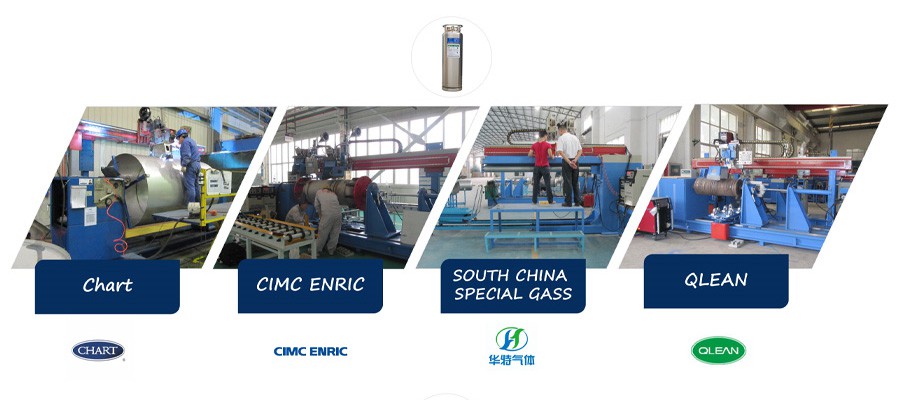
We are a professional manufacturer of LNG Cylinder Manufacturing Machines or vehicle LNG cylinder automatic MIG welding equipments, holding multiple patented technologies. We offer customized solutions and comprehensive after-sales service, and we sincerely invite you to cooperate with us for mutual benefit and to jointly create a new era!